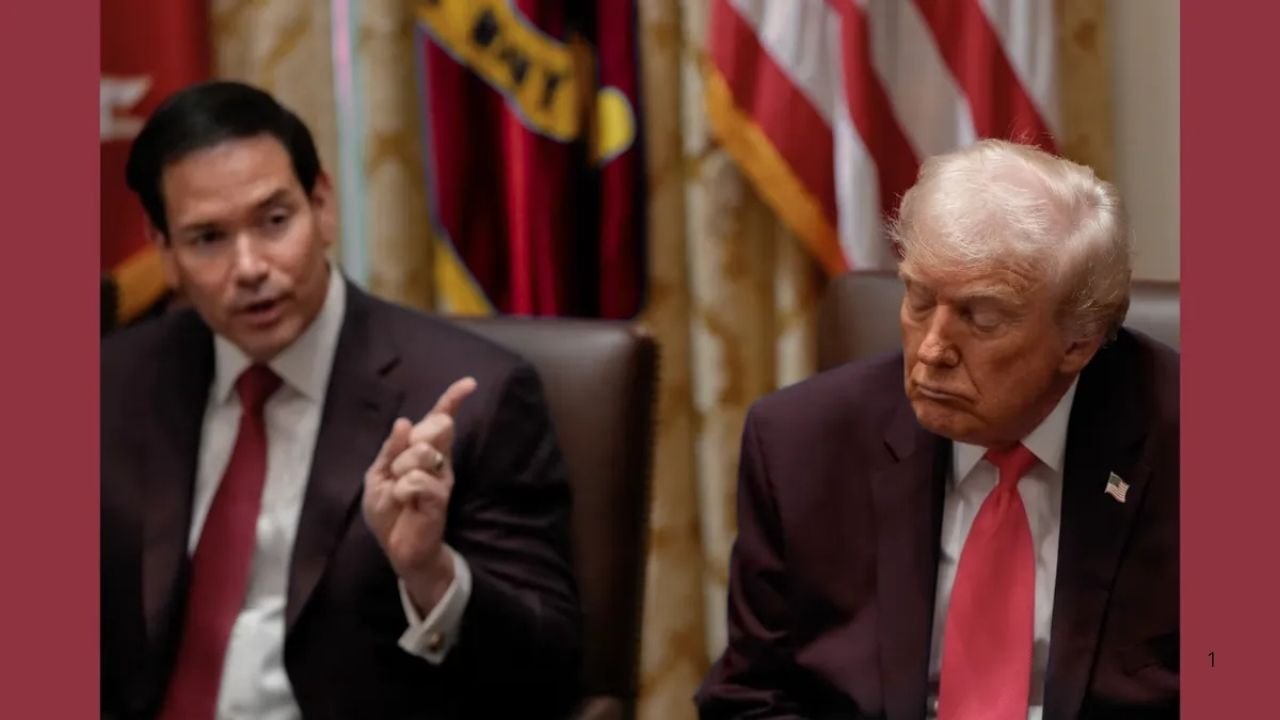
The United States and Kenya have signed a landmark $2.5 billion, five-year global health partnership under a new “America First” foreign aid strategy that prioritizes countries aligned with U.S. political and security interests. The agreement marks one of the biggest shifts in American global health funding in decades and positions Kenya as the lead partner in a redesigned approach that ties health assistance to diplomatic cooperation.
Below is a clear and easy breakdown of what the deal means, why it matters, and how it may reshape global partnerships.
A New Direction for U.S. Global Health Funding

The agreement replaces several long-standing USAID health programs with a unified model designed to give the U.S. more control over where and how its money is spent.
Key Features of the New Strategy
- Funding tied to political alignment
- Higher accountability demands for partner countries
- Joint U.S.–Kenya control over program design
- Focus on long-term infrastructure instead of short-term grants
U.S. officials say the change ensures taxpayer dollars support countries that “actively contribute to U.S. security and economic goals.”
Kenyan leaders praised the partnership, calling it a “transformational investment” in national health systems, disease prevention, and emergency readiness.
What the $2.5 Billion Will Support
The health pact merges multiple USAID programs into one large framework focused on sustainable development. According to initial briefings, the funding will support:
- Expanded vaccination and immunization campaigns
- Hospital and clinic modernization
- Maternal and child health improvements
- Digital health systems and data tracking
- Upgraded labs and disease surveillance networks
- Public health emergency training and readiness
The U.S. will also deploy expert teams to work alongside Kenyan health ministries, strengthening long-term capacity.
How the “America First” Funding Model Differs
Here is a quick comparison of the old vs. new approach:
| Feature | Previous USAID Model | New “America First” Model |
|---|---|---|
| Funding Basis | Global need | Alignment with U.S. interests |
| Main Beneficiaries | Many countries worldwide | Select strategic partners |
| Governance | USAID-led | Joint U.S.–Kenya oversight |
| Political Conditions | Limited | Explicit foreign policy alignment |
| Total Deal Value | Varied | $2.5B over 5 years |
Why the U.S. Changed Its Global Health Strategy

The administration argues that previous programs were fragmented and lacked strategic benefit. The new model aims to:
- Reward countries that support U.S. diplomatic goals
- Reduce funding to governments seen as adversarial or neutral
- Create measurable long-term outcomes
- Strengthen partnerships in regions crucial to U.S. security
Critics warn the shift could politicize humanitarian aid and leave vulnerable countries behind.
Kenya as a Strategic Choice
Kenya is a major U.S. partner in East Africa, contributing to regional stability, counterterrorism efforts, and economic development. By choosing Kenya as the flagship nation, the U.S. is signaling deeper geopolitical engagement.
Kenya has committed to co-investing in new systems, increasing accountability, and adopting stricter transparency standards.
Possible Global Ripple Effects
Countries previously dependent on U.S. health funding—especially in Africa, Southeast Asia, and Latin America—may see:
- Reduced support
- Pressure to align with U.S. policy
- Shifts in health system funding stability
- Gaps in disease surveillance
Some global health organizations warn the new model may weaken worldwide preparedness for pandemics.
What Other Nations and Allies Are Saying
- Supporters say the approach modernizes foreign aid and ensures funds advance U.S. interests.
- Critics argue it undermines decades of bipartisan global health leadership.
- European Union officials have expressed concern they may need to fill funding gaps in low-income regions no longer prioritized by the U.S.
FAQs
What is the purpose of the new U.S.–Kenya health agreement?
To build long-term health capacity while aligning aid with U.S. foreign policy interests.
Is this replacing traditional USAID programs?
Yes. Several previous USAID global health programs are being consolidated under the new model.
Why was Kenya chosen as the flagship partner?
Kenya is a key U.S. ally in East Africa with strong security, economic, and diplomatic ties.
Will other countries lose funding?
Possibly. Nations not aligned with U.S. strategic goals may face reductions.
How long will the partnership last?
The agreement spans five years with potential for renewal.
Conclusion
The $2.5 billion U.S.–Kenya “America First” health pact represents a major rethinking of how America delivers global health aid. While Kenya stands to benefit from expanded investment and infrastructure, the policy shift raises important questions about global equity, preparedness, and the future role of the U.S. in international health leadership. How other countries respond—and how this new model performs—will shape global cooperation for years to come.