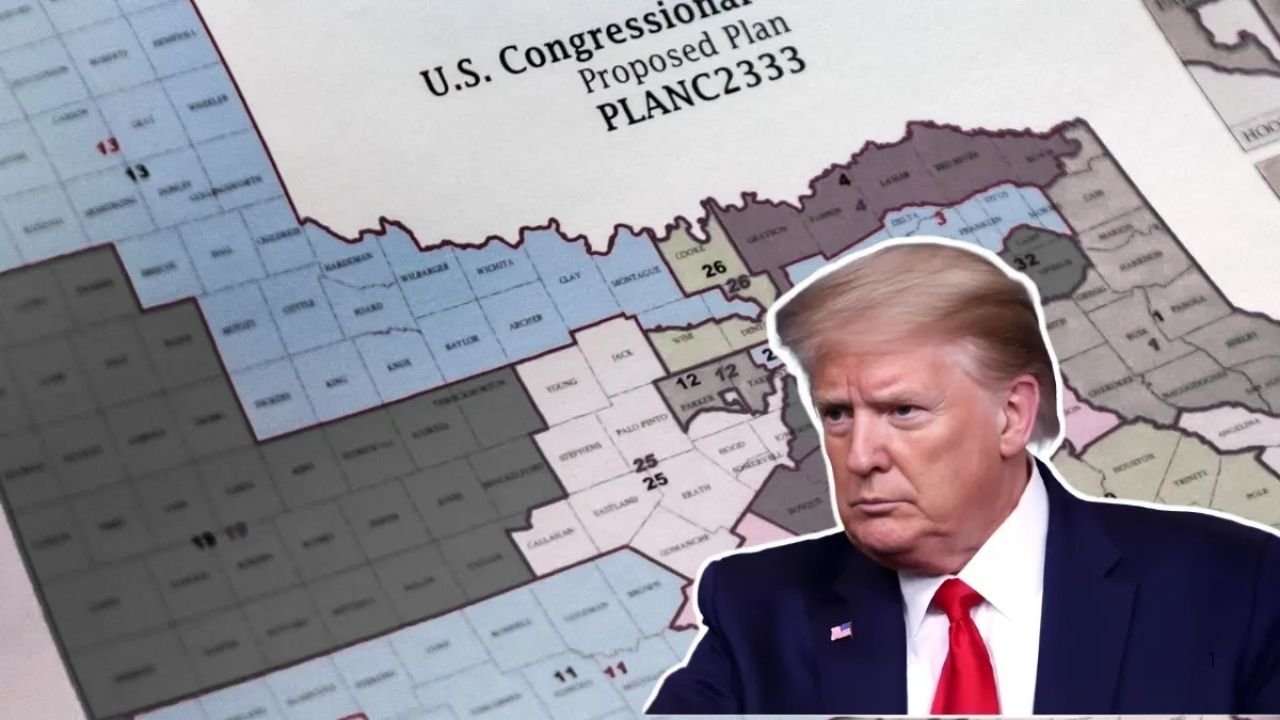
The U.S. Supreme Court has allowed Texas to move forward with its newly drawn congressional voting maps, giving Republicans a clear advantage heading into the crucial 2026 midterm elections. The decision, issued without a detailed opinion, keeps the controversial maps in place while legal challenges from voting-rights groups continue in lower courts.
Here is a simple and clear breakdown of what the ruling means, why it matters, and how it may reshape political power in Texas and across the country.
What the Supreme Court Decided

The Supreme Court declined to block Texas from using its new congressional district maps during ongoing litigation. This means:
- The maps created by the Republican-led legislature will be used in 2026 and likely beyond
- Legal challenges remain active but will not affect the upcoming election cycle
- The Court issued a brief order with no explanation, following its typical approach in emergency election cases
Immediate Impact of the Ruling
| Issue | Court’s Action | Expected Result |
|---|---|---|
| Use of Texas Maps | Allowed for now | Republican advantage |
| Voting Rights Claims | Sent back to lower courts | Minority dilution challenges continue |
| 2026 Midterms | Maps remain in place | Fewer competitive districts |
Why the New Maps Are Controversial
Texas has seen rapid population growth, especially among Black, Latino, and Asian American communities. Voting-rights groups argue that the new maps:
- Reduce the number of minority-majority districts
- Pack minority voters into fewer districts
- Reduce competitiveness in urban and suburban areas
- Violate the Voting Rights Act
Civil-rights advocates say the maps are designed to limit minority voting power even though minority populations account for most of Texas’s recent growth.

Texas officials reject the allegations, claiming the maps were drawn legally based on political—not racial—factors, which federal courts have often allowed.
How the Maps Benefit Republicans
Election analysts say the new districts were drawn in a way that:
- Strengthens existing GOP-held seats
- Converts several swing districts into safe Republican districts
- Reduces the number of competitive battlegrounds
- Makes Democratic gains extremely difficult in 2026
With 38 House seats, Texas plays a major role in determining control of the U.S. House of Representatives. The ruling therefore has national political significance.
Examples of Republican Gains
- Suburban districts around Dallas and Houston now lean more heavily Republican
- Diverse districts with rising Democratic support have been reshaped to protect incumbents
- Only a small handful of districts remain competitive statewide
Ongoing Legal Challenges

Even though the Supreme Court allowed the maps to stand temporarily, multiple lawsuits will continue in lower courts. These cases could result in:
- New maps after a full trial
- Future elections requiring redrawn districts
- Another round of appeals to the Supreme Court
However, any final rulings are unlikely to affect the 2026 midterms, meaning the current maps will remain in place through the next election.
Political and Public Reactions
Republican Response
GOP leaders praised the ruling as a victory for state authority and a rejection of what they call partisan lawsuits.
Democratic and Civil-Rights Response
Democrats and voting-rights groups say the decision:
- Harms minority voters
- Weakens federal protections
- Highlights the shrinking power of the Voting Rights Act
Election experts warn the ruling continues a larger trend of courts allowing politically motivated maps to stand, even when they reduce minority representation.
FAQs
Will Texas use the new voting maps in 2026?
Yes. The Supreme Court ruling allows the maps to be used for the upcoming elections.
Are the legal challenges over?
No. Multiple lawsuits continue in lower courts, but they won’t affect the 2026 cycle.
Why are the maps controversial?
Critics say they reduce minority voting power and eliminate competitive districts.
Do the maps favor Republicans?
Yes. Analysts say the new boundaries strongly benefit GOP candidates.
Could the maps change again?
It’s possible, but likely after the 2026 midterms.
Conclusion
By allowing Texas to use its new congressional voting maps, the Supreme Court has handed Republicans a significant structural advantage heading into the 2026 midterms. While legal challenges continue, the current districts are expected to shape political power in the nation’s second-largest state — and potentially influence control of Congress — for at least the next election cycle. The long-term outcome will depend on future court rulings, population trends, and how voters respond in 2026.